Patagonia: A Journey Through the End of the World
Patagonia had lived in my imagination for years—a quasi-mythical place of fjords, endless emptiness, rough seas, and towering peaks painted in impossible colors. When I let my mind drift, I picture myself driving through that vast nothingness. After years of dreaming, we finally made it happen in November 2025.
Planning a Patagonian adventure means making choices. The distances are immense. Should we stick to the classics? Push south to Ushuaia and the Magellan Strait? Spend time in Buenos Aires or Santiago? We asked ourselves all these questions, and in the end, chose to follow our instincts rather than optimization. We arrived mid-November and left at the beginning of December, with a plan that looked roughly like this:
- Santiago de Chile for a quick city visit
- Fly to Puerto Natales, rent a 4×4
- Drive to El Chaltén in Argentina for the Laguna Torre and Fitz Roy hikes
- Visit the Perito Moreno Glacier in El Calafate
- Drive to the Atlantic coast to see Monte León National Park
- Return to Puerto Natales
- Trek the W Circuit in Torres del Paine
- Fly back to Santiago, then Europe
Santiago: A Brief Taste of Chile
We landed in Santiago on a Saturday morning after an overnight flight, bleary-eyed but excited. The driver from our hotel, Matilda Boutique, found us easily at the airport. Since check-in wasn’t available yet, we dropped our bags, splashed water on our faces, changed clothes, and headed straight out for lunch.
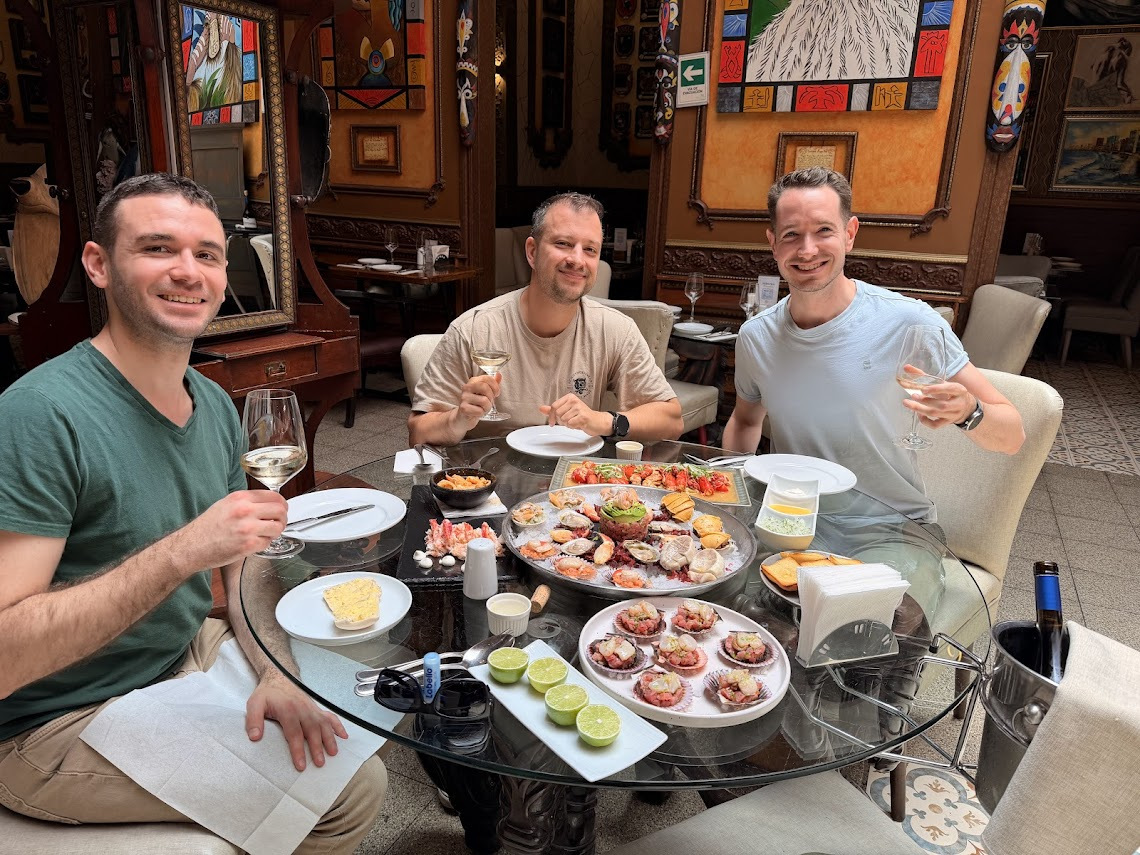
After months in central Europe, we were craving seafood. Fortunately, our hotel was steps away from Ocean Pacific’s Buque Insignia, where we feasted on abalone, oysters, mussels, crab, and tuna surrounded by maritime décor. It became one of our most memorable meals of the trip—opulent, fresh, and exactly what we needed.
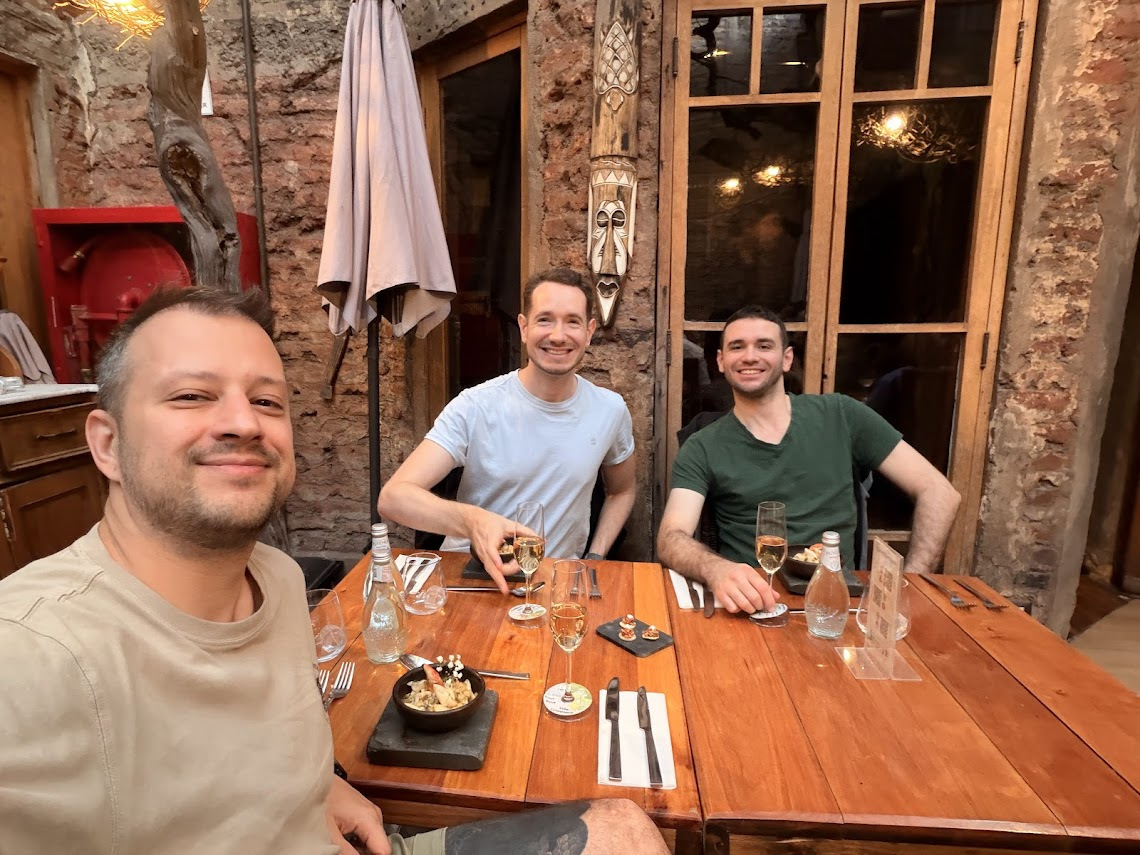
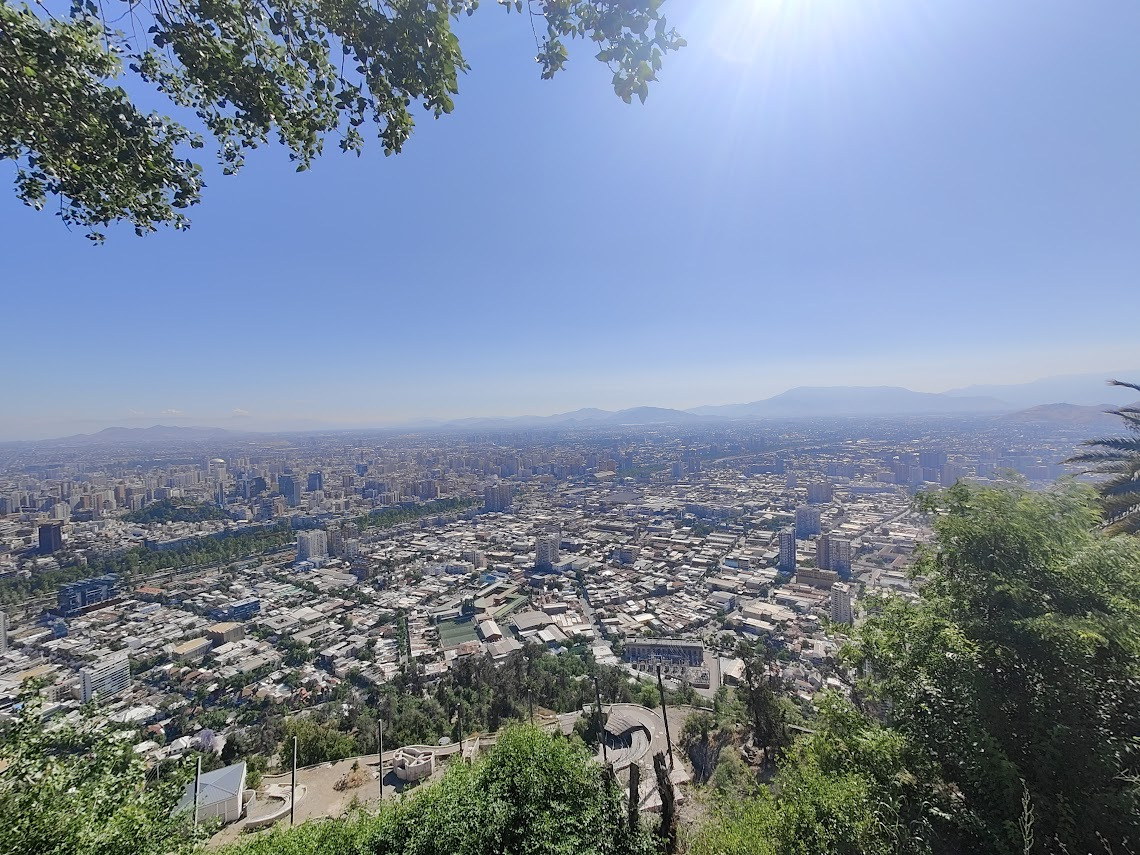
We spent the afternoon wandering Santiago’s center and climbing up to Parque Metropolitano for panoramic views of the city sprawling beneath the Andes. That evening, we strolled through Bellavista and dined at Peumayén Ancestral Food, sampling traditional Chilean cuisine with wine pairings. A few drinks at local bars rounded out our one day in the capital before we flew south the next morning.
Puerto Natales: Gateway to Patagonia
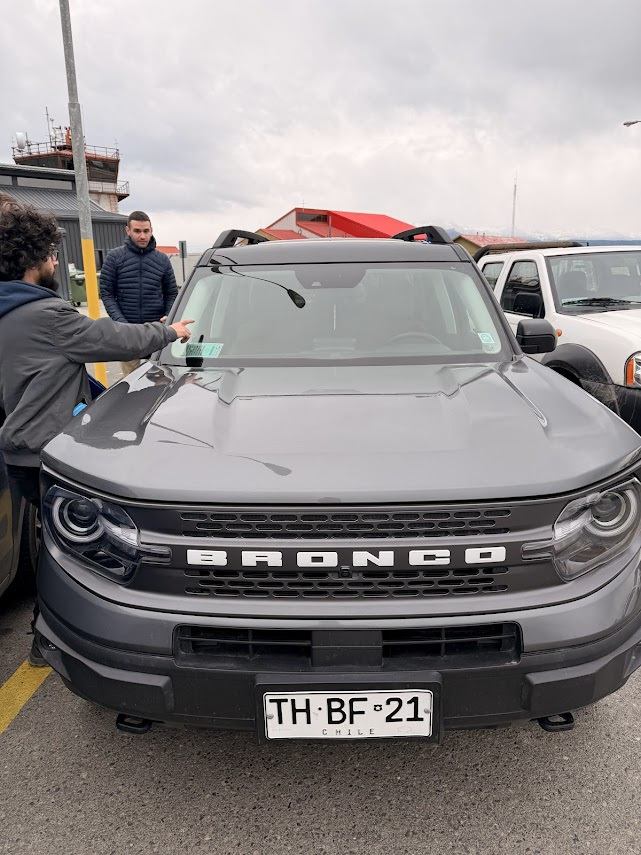
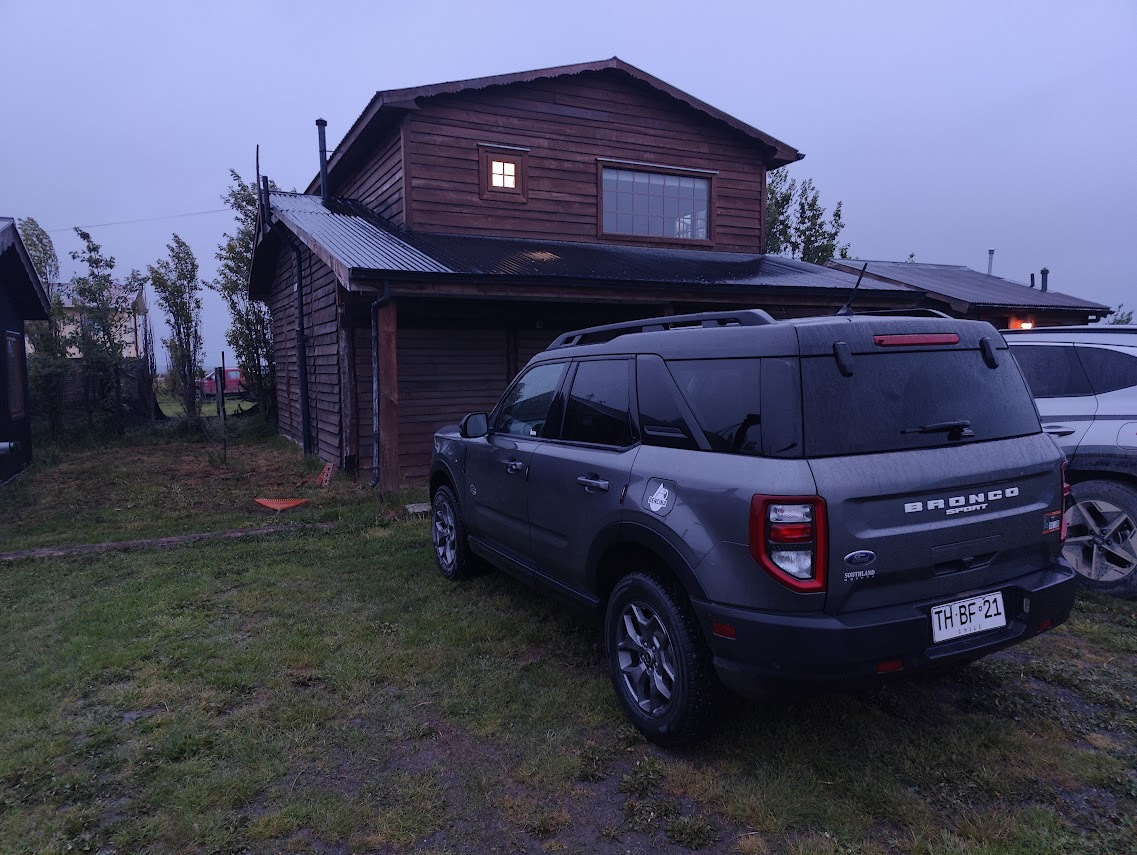
The flight to Puerto Natales was our portal into another world. We picked up our Ford Bronco from Natales Rentals—perhaps overkill since most roads are paved, but one of us is an avid off-road driver allergic to normal highways. The rental company was excellent, handling all the paperwork for cross-border driving into Argentina without a hitch. The car was new, comfortable, and perfect for what lay ahead.
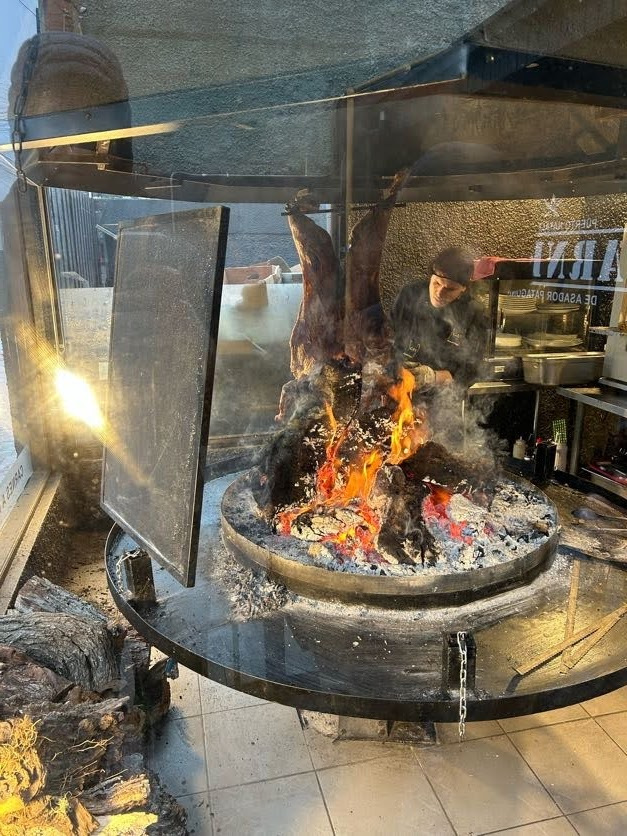
We checked into Dorotea Vista Cabañas, a cozy spot just outside town, and enjoyed braised Chilean lamb over fire for dinner. The weather was mediocre—rainy and windy—but we were exhausted and ready for sleep.
The next morning, we woke to devastating news: six people had died in Torres del Paine due to extreme weather. The entire Santa Cruz province in Argentina was closed to traffic. Our carefully planned border crossing would have to wait.
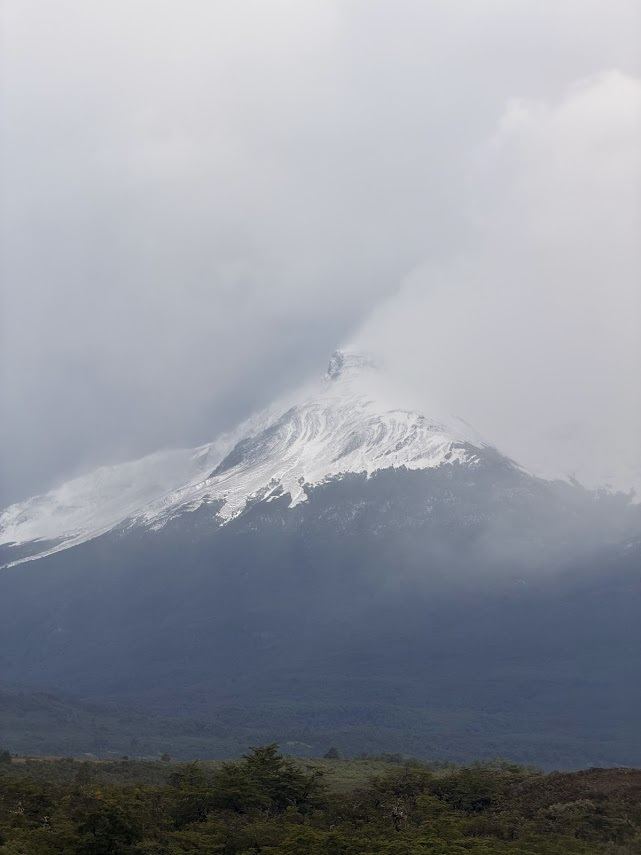
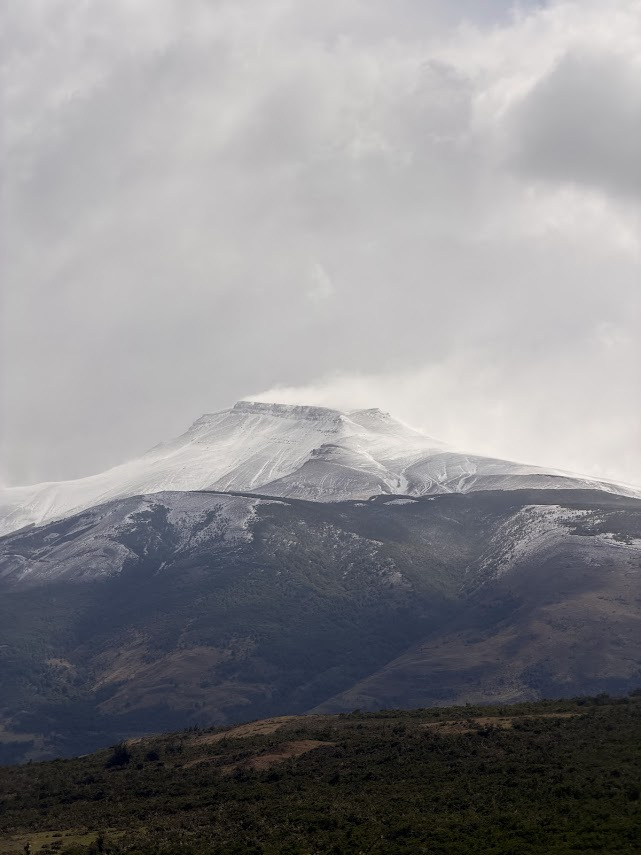
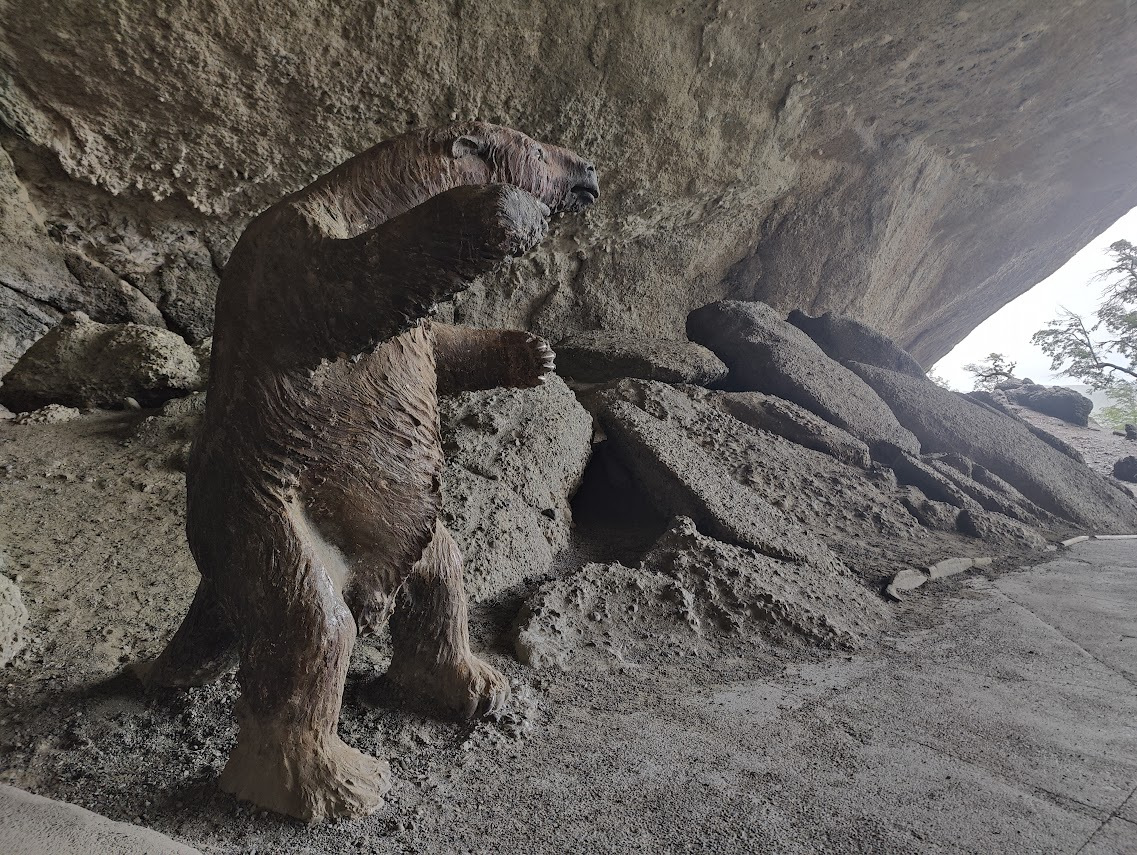
We extended our stay at Dorotea Vista and made the best of it, exploring the area around Puerto Natales. We visited the Milodón Caves just outside town, then drove north toward Torres del Paine National Park, soaking in the dramatic landscapes despite the weather. The Starlink device we’d mounted to the car roof proved invaluable—network coverage is spotty at best in these remote areas.
Argentina: Into the Wilderness
By the next morning, the driving ban had lifted. We cleared the border with some queuing and set off on one of the most spectacular drives of our lives. The route was remarkably empty—just us, the road, and sweeping vistas in every direction. We stopped at La Leóna for mediocre food, but the scenery more than compensated.
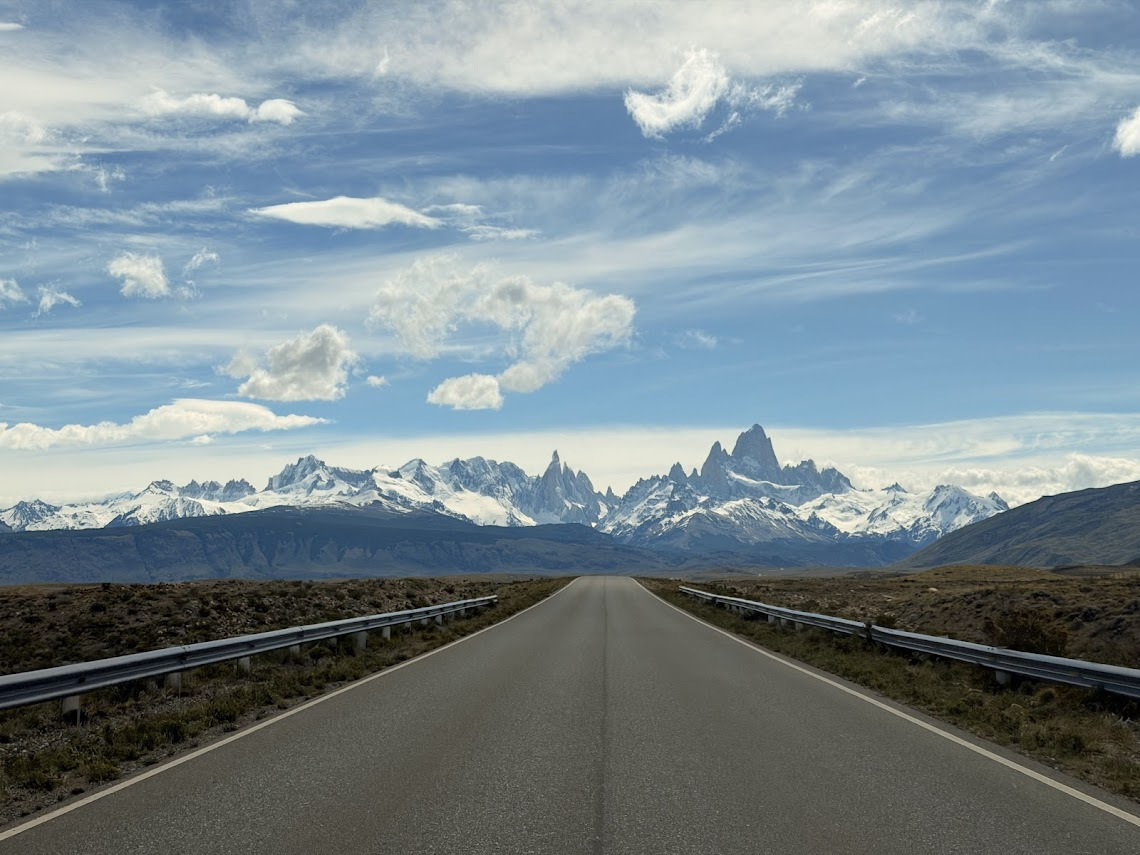
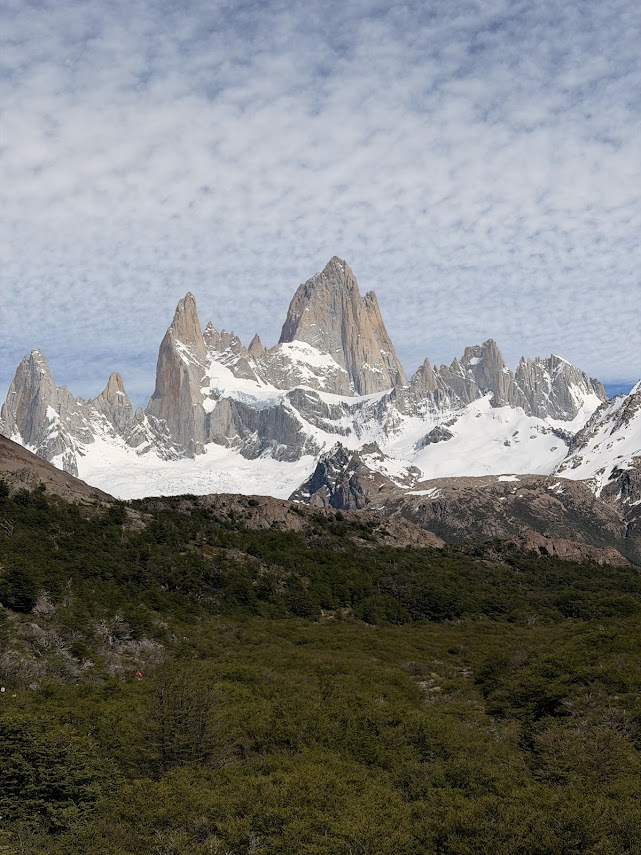
After 450 kilometers and roughly six hours of driving, the Fitz Roy massif appeared on the horizon. The final 20 kilometers into El Chaltén remain the most breathtaking memory of our entire journey. The jagged towers grew more defined with each passing kilometer, their silhouettes sharp against a crystal-clear sky. We’d expected crowds, convoys of tourist vehicles. Instead, we had the road almost entirely to ourselves—just us and those impossible mountains.
El Chaltén: Village at the Base of Giants
We stayed at Cabaña Nahuel Pan, where the owner spoke perfect French and the cozy bungalow was exactly what we needed—small, functional, perfect for resting between hikes. The owners graciously adjusted our reservation without hassle after our weather delay.
Day 1: Laguna Torre
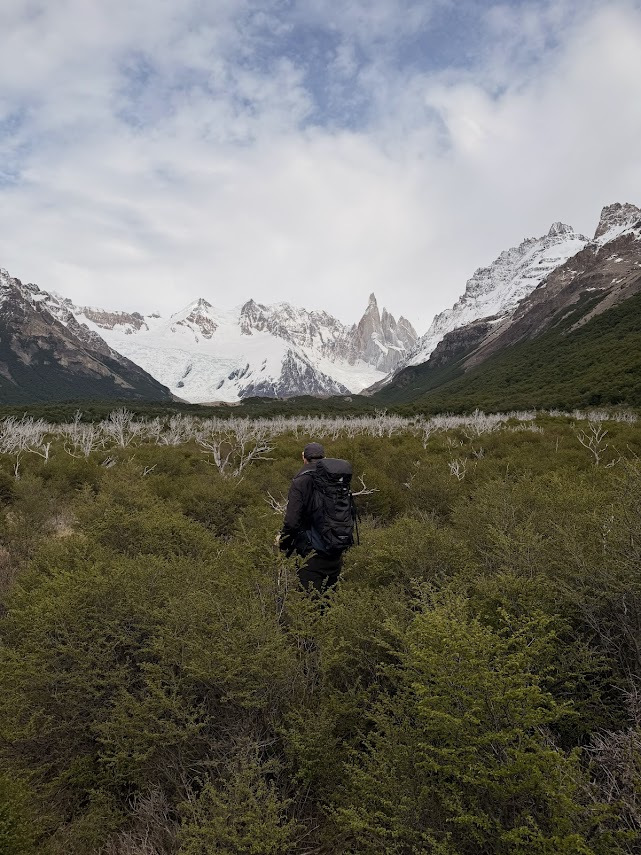
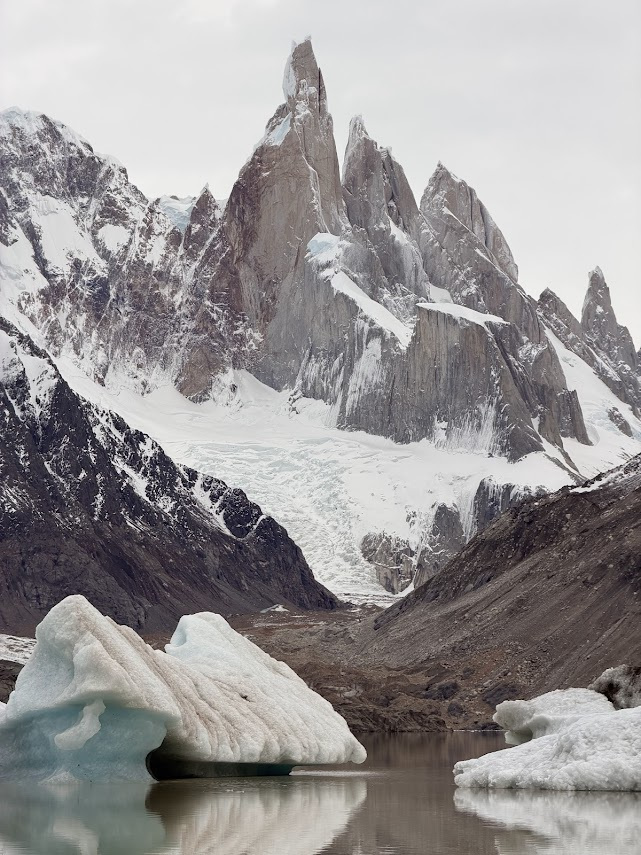
Our first hike took us to Laguna Torre. Pro tip: there are two trailheads—one through the official gate where you pay a fee, and another that starts on Las Loicas street near many accommodations. We took the free route. Ask your hotel for the exact pin on Google Maps.
The hike was a perfect warm-up: 19 kilometers round trip with 625 meters of elevation gain, taking us about seven hours. We climbed to a first viewpoint, followed a rushing stream, and eventually reached the ice lake at the base of the towers. The trail was quiet, occasionally tricky to follow, but nothing too challenging. The All Trails app with offline maps proved invaluable. We ate sandwiches at the viewpoint before heading back.
Day 2: Fitz Roy
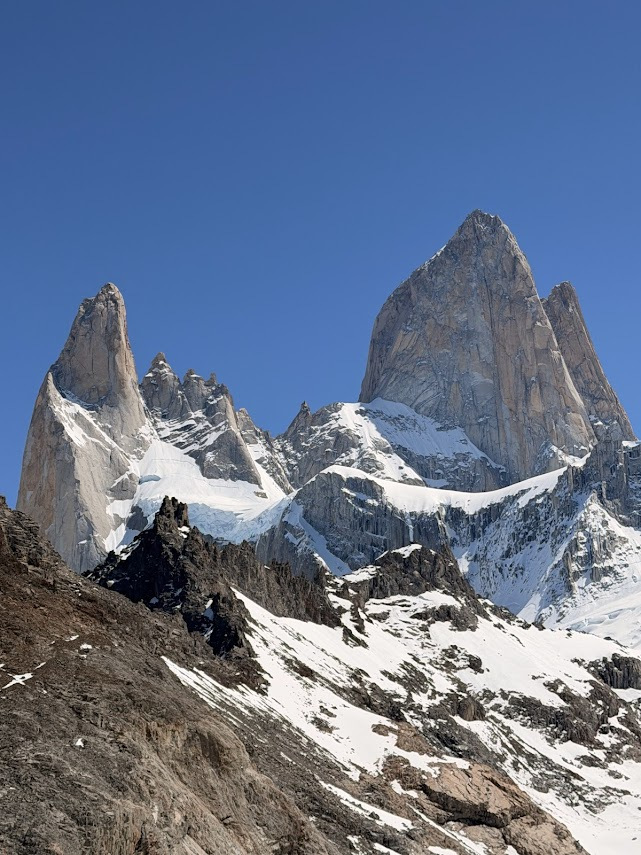
We made the mistake of going through the official gate this time and paid around $30 per person—unnecessary since you can access the Fitz Roy trail from the same free entry point as Laguna Torre. The hike was more crowded, likely due to perfect weather, and more demanding: 23 kilometers with about 1,000 meters of elevation gain.
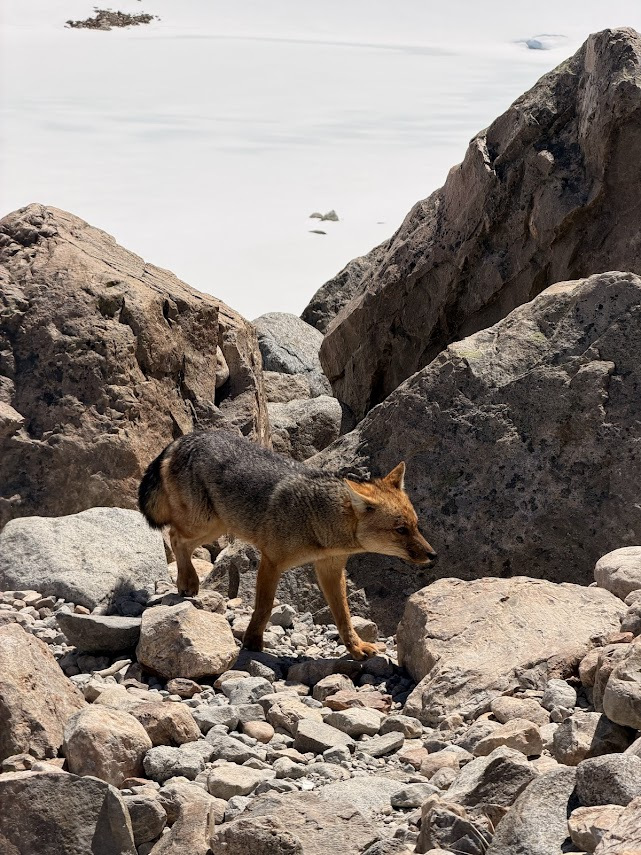
The climb to the ice lake at the base of Fitz Roy was spectacular. We ate lunch while playing with curious foxes, snapped countless photos of the massive granite towers, and soaked in the majesty of it all. The last few kilometers tested our legs, but the views made every step worthwhile.
El Chaltén itself is small and touristy but has everything you need—electrolytes, snacks, basic supplies. The supermarket is limited, so bring specialty items with you. We had an excellent dinner at Lito Restorán, but reservations are essential as it’s tiny and fills up fast. The food throughout town was good but expensive—if you’re on a budget, plan to cook your own meals.
El Calafate: The Glacier and Beyond
After El Chaltén, we drove to El Calafate, a larger city with more infrastructure. Our plan was simple: rest, see the Perito Moreno Glacier, do some shopping, relax.
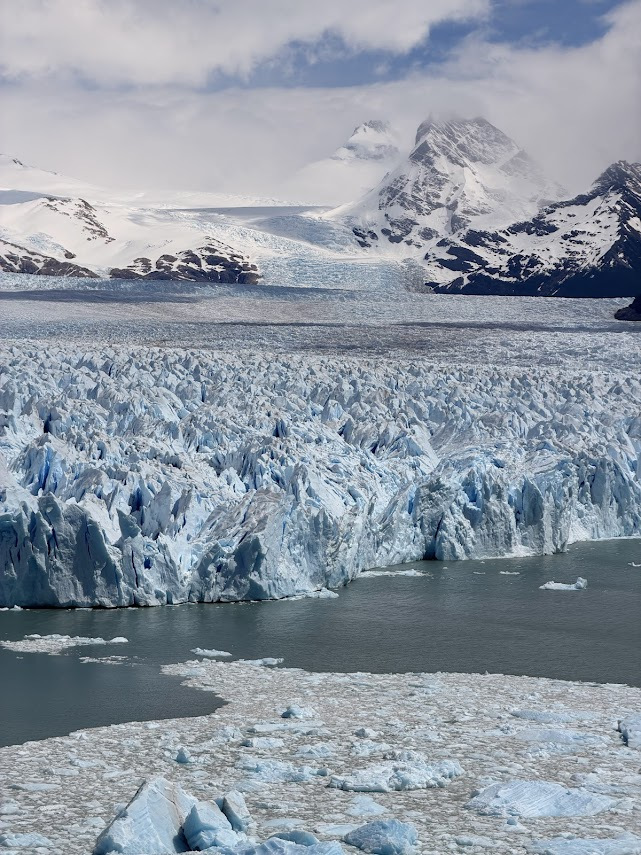
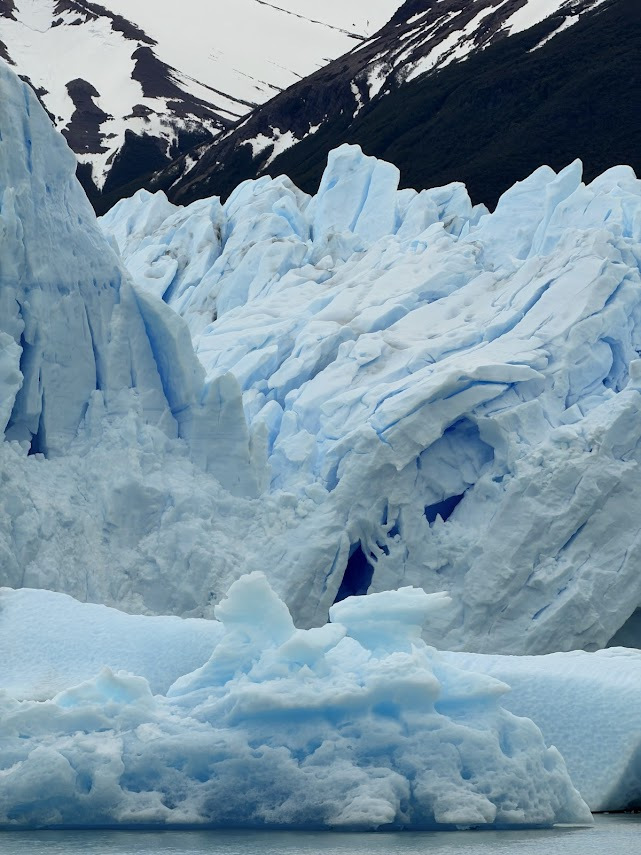
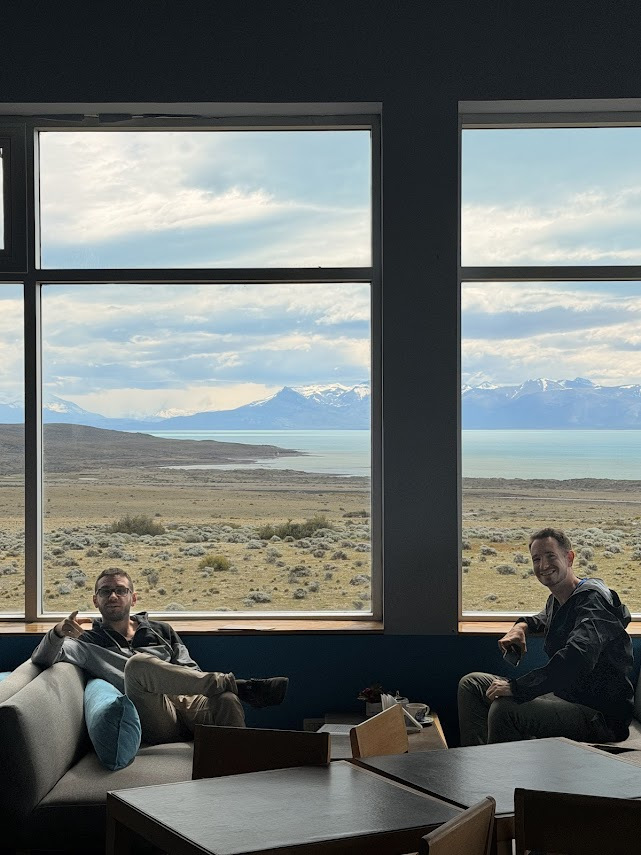
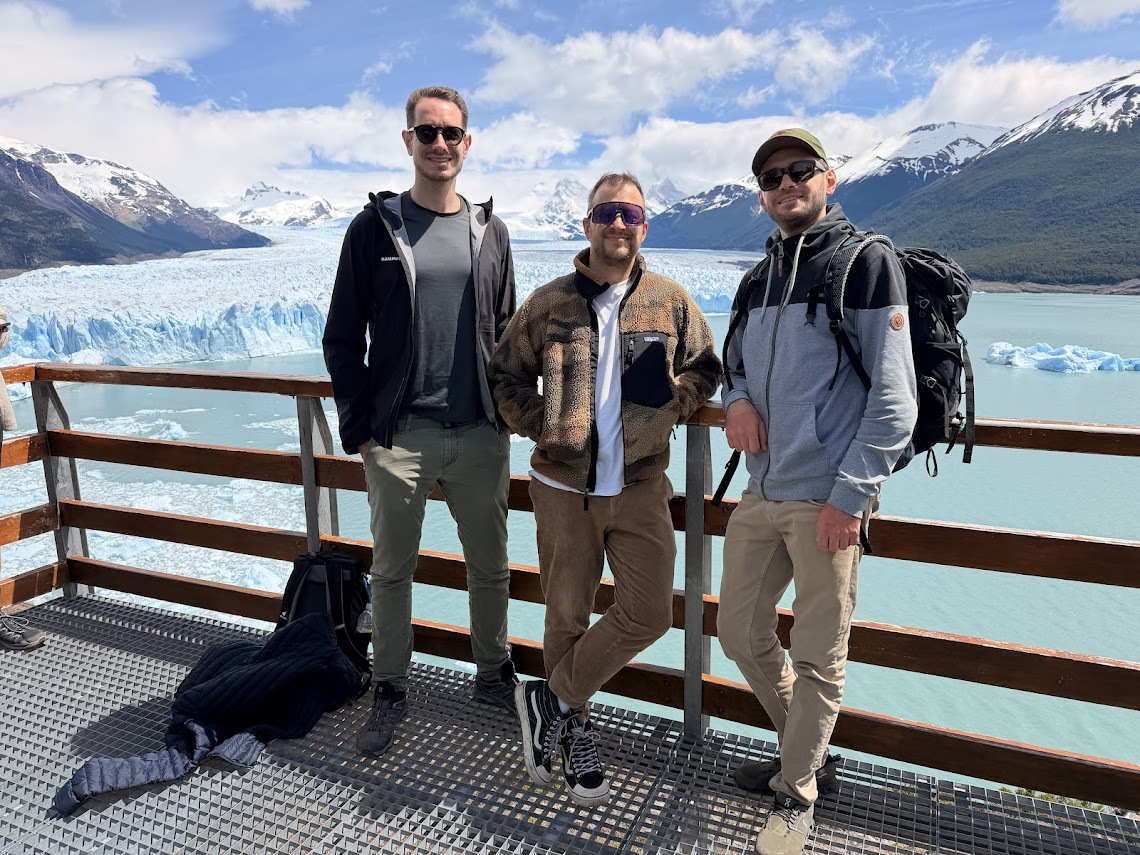
The glacier is about an hour from the city. Perito Moreno is staggering—a massive wall of ancient ice with wooden walkways offering multiple viewpoints. An hour is enough to capture all the photos you need and fully appreciate its scale. We also visited the Glaciarium museum, which provides fascinating context about Patagonia’s glaciers in a striking building overlooking the lake.
After exploring El Calafate—the glacier, the museum, shopping, a stroll through Reserva Laguna Nimez—we realized there wasn’t much more to do. We decided to push toward the Atlantic coast.
To the Atlantic: Monte León National Park
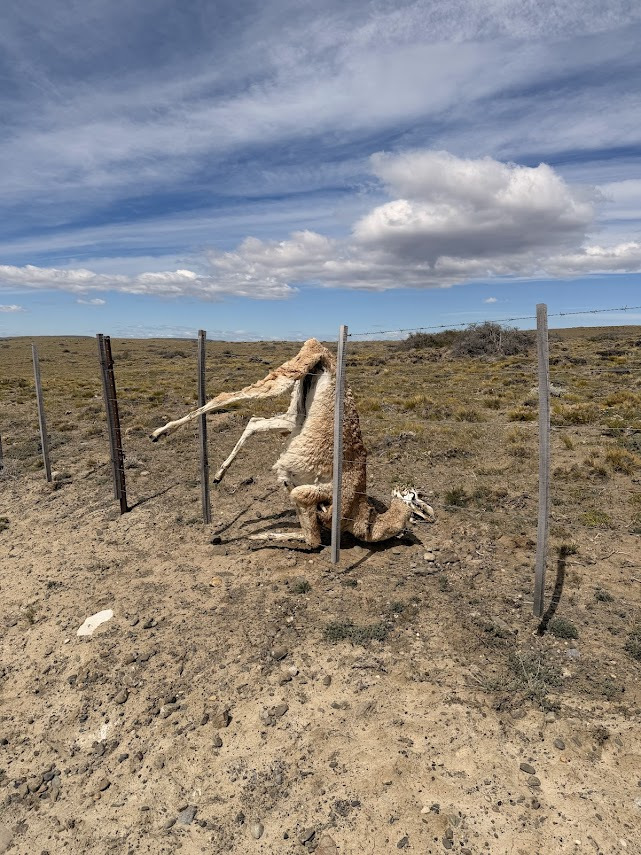
The drive to Puerto Santa Cruz took several hours across a no-man’s-land of sandy and rocky tracks. The city itself was dull and uninviting—we struggled to find food on a Sunday and left quickly for Monte León National Park.
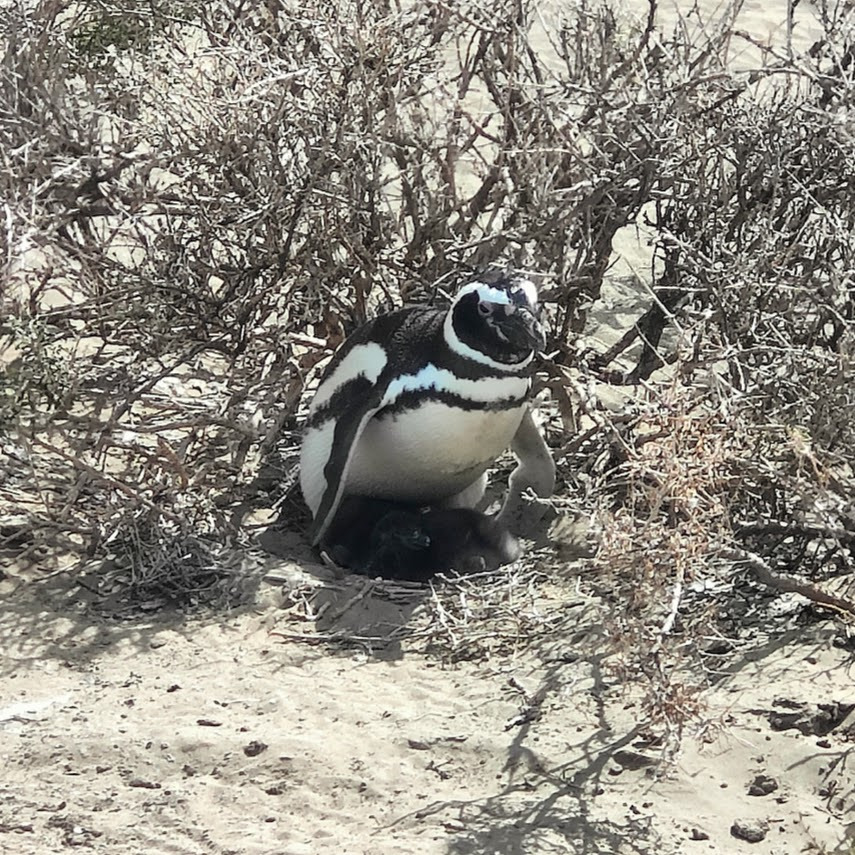
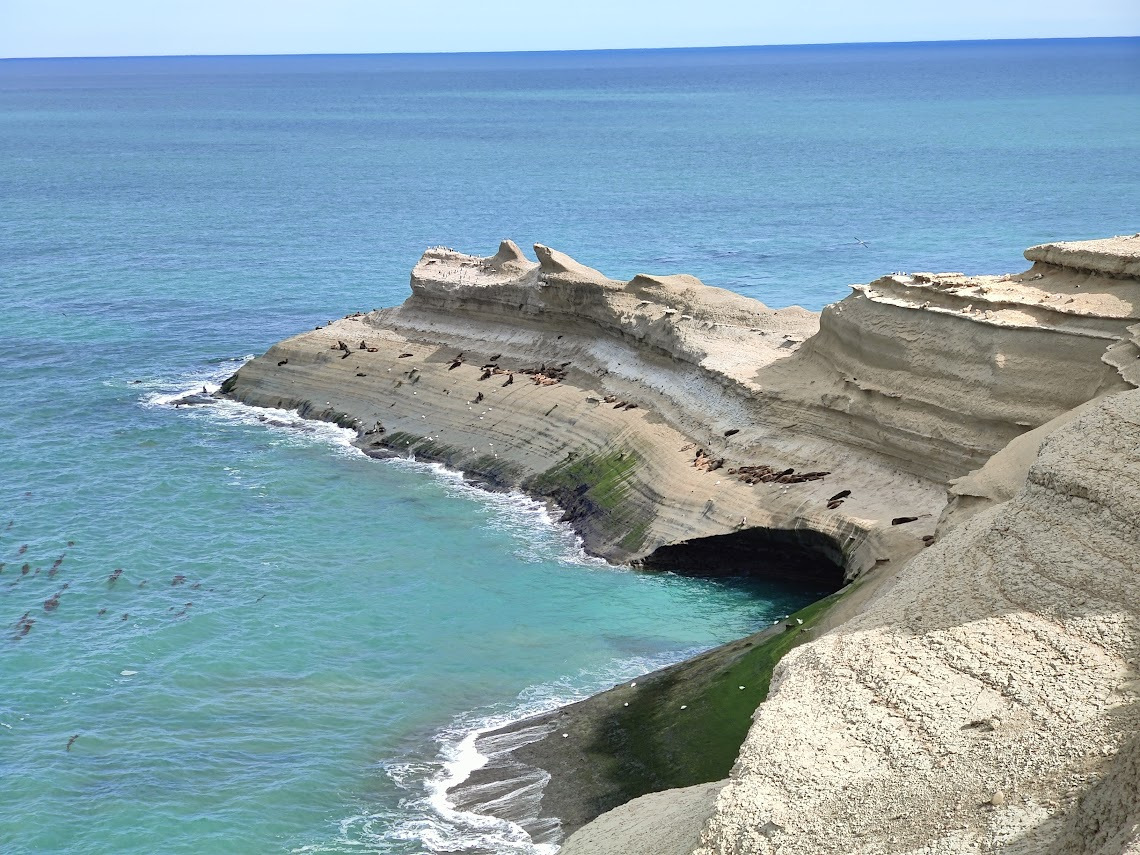
The park entrance is on Route 3. We stopped at the ranger station for tickets, then drove to the penguin colony and seal rocks. Watching hundreds of penguins nesting was mesmerizing. Those near the beach lived relatively safely, while those on the colony’s edges faced predation by pumas. We didn’t spot any pumas, but their presence was unmistakable—penguin carcasses scattered around the outskirts told the story.
We spent the night in Río Gallegos, enjoying a few beers at Cerveza Patagonia – Refugio Río Gallegos before preparing for the next leg.
Return to Chile
The next day, we crossed back into Chile south of Río Gallegos. Word to the wise: get rid of all cheese, vegetables, and fresh produce before the border—Chilean customs is strict and will search your car thoroughly, discarding anything prohibited.
We drove north on Routes 255 and 9, heading back toward Puerto Natales. Our windshield took damage from flying rocks along the way, but repairs were surprisingly affordable at around $300 USD. We returned our trusty Bronco that afternoon and prepared for the main event: the Torres del Paine W Trek.
Torres del Paine: The W Trek
We booked our trek through Las Torres, which operates several refugios and hotels in the park. I’ll be honest—I was disappointed with their customer support. Even after the recent fatalities, we had to proactively ask if our plans were affected. WhatsApp communication was poor, English proficiency was limited, and at times I wondered if we were being scammed. But ultimately, all our documents arrived and we set off.
Day 1 and 2: Camp Central and Las Torres
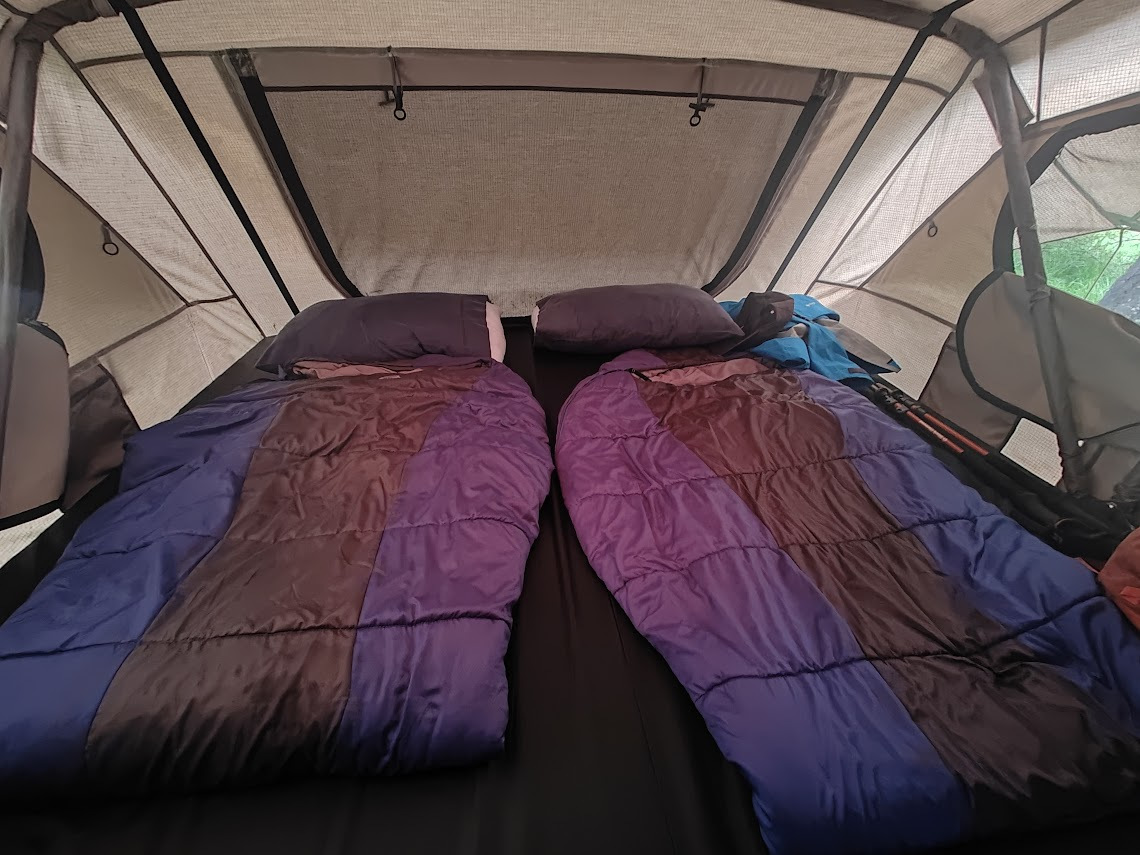
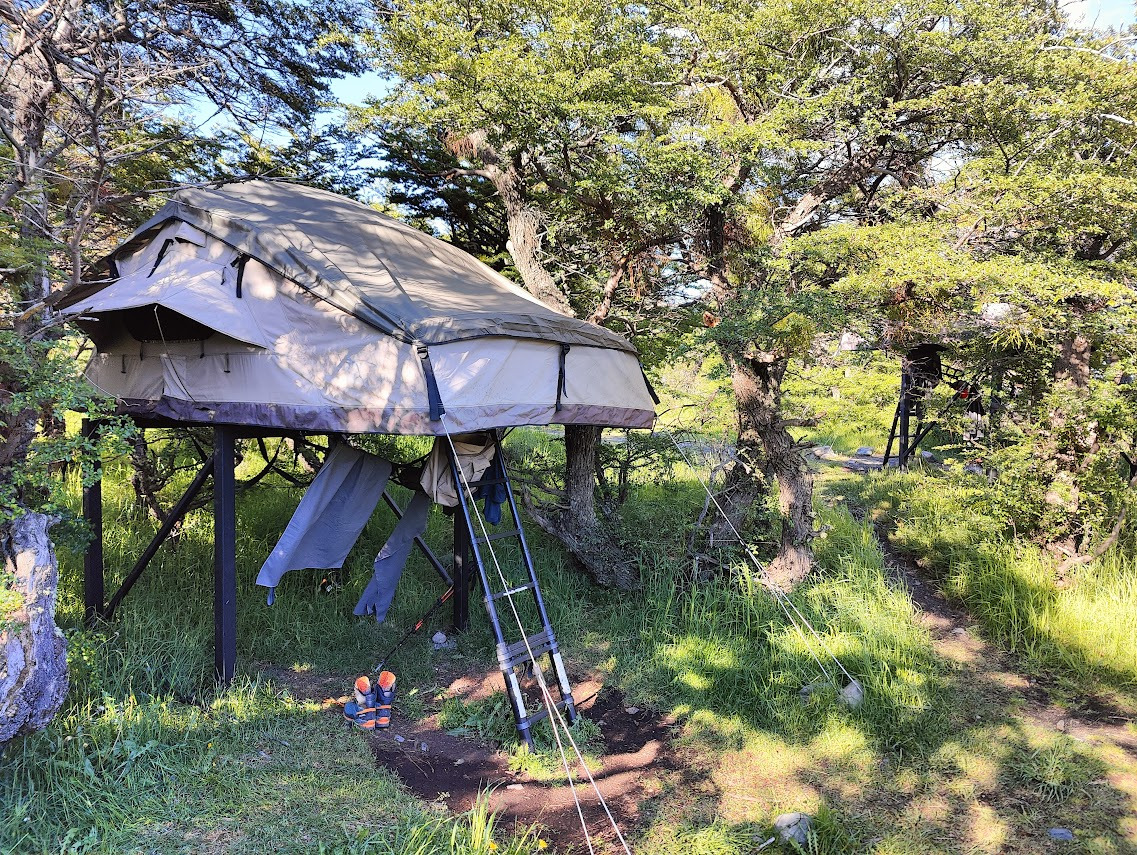
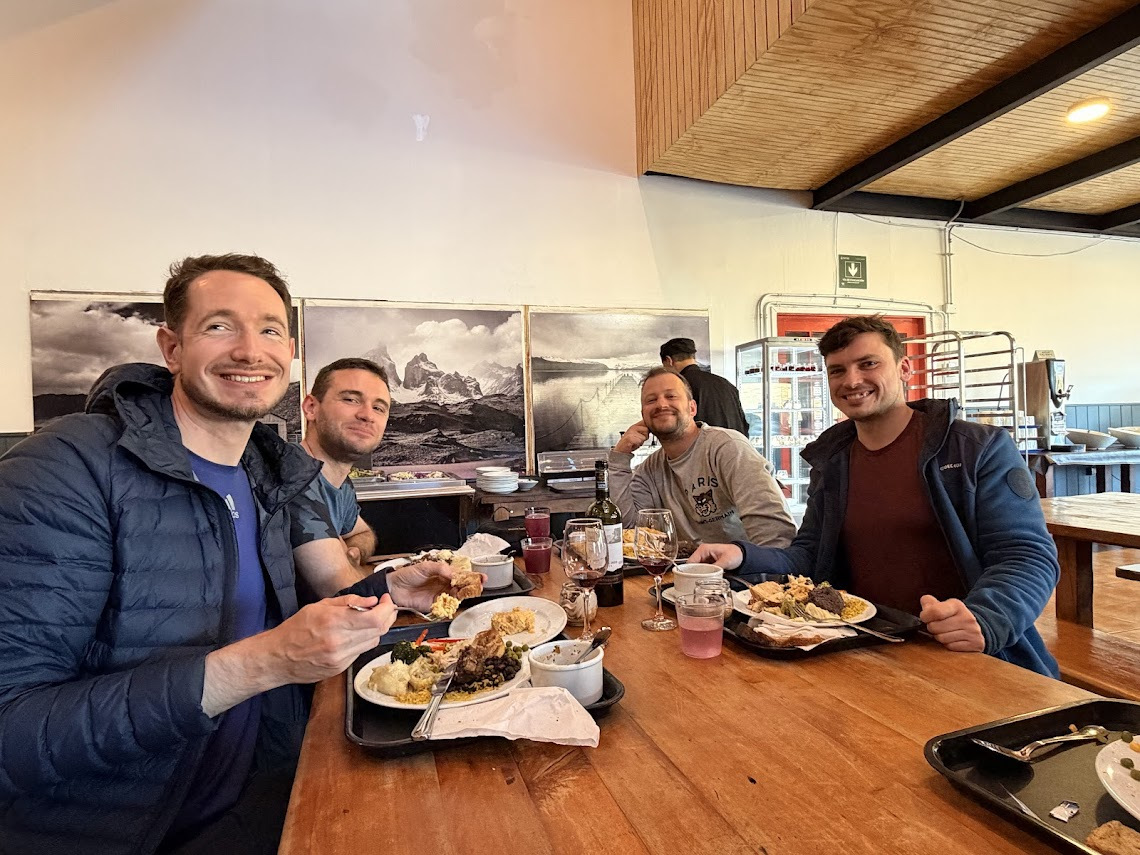
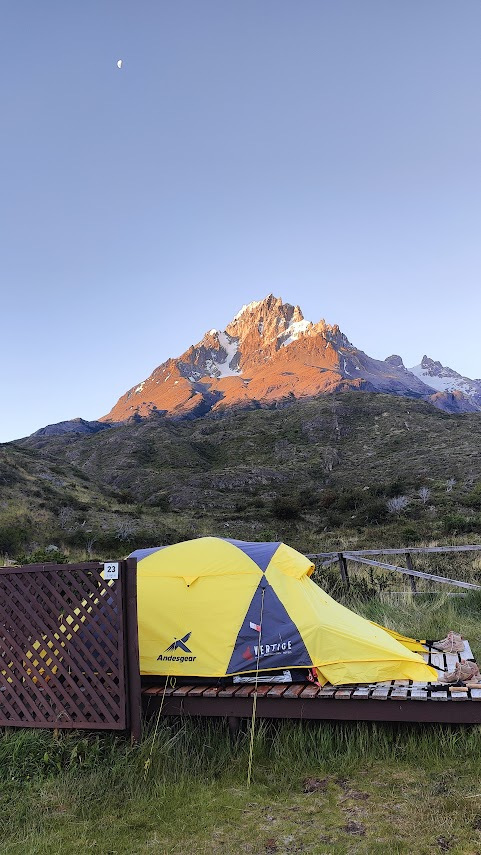
A bus took us to the park entrance, followed by a shuttle to Camp Central. We spent two nights here in elevated tents with breakfast and dinner provided, plus lunch bags for the trail. The showers had hot water—not luxurious, but adequate. Dinner quality was excellent the first night, though breakfast portions were tight and everything was shared family-style. Big eaters should bring extra snacks or buy from the refugio shop.
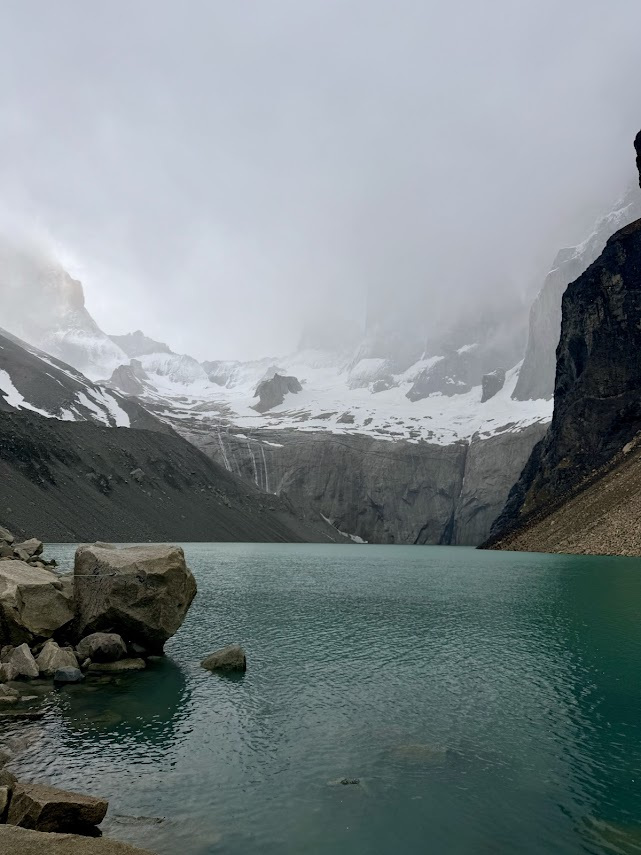
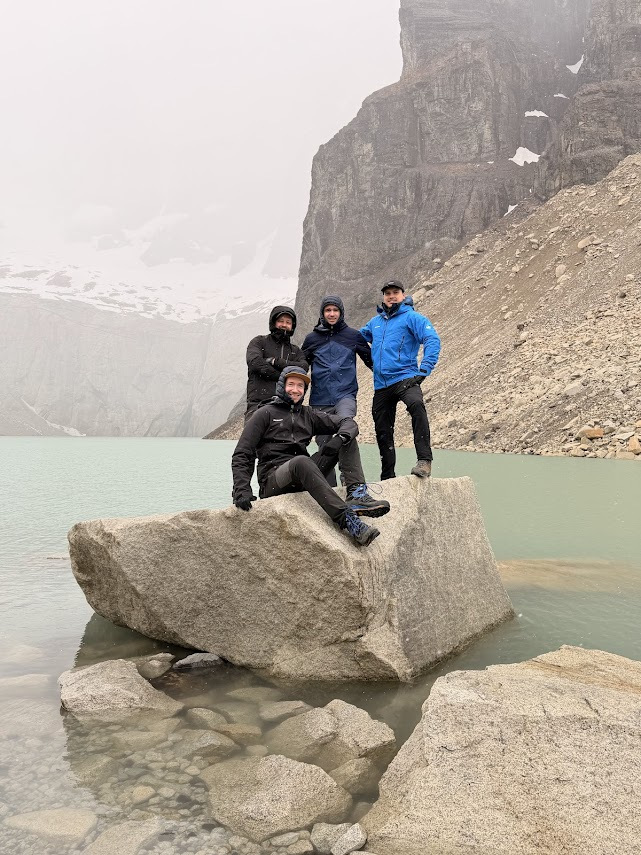
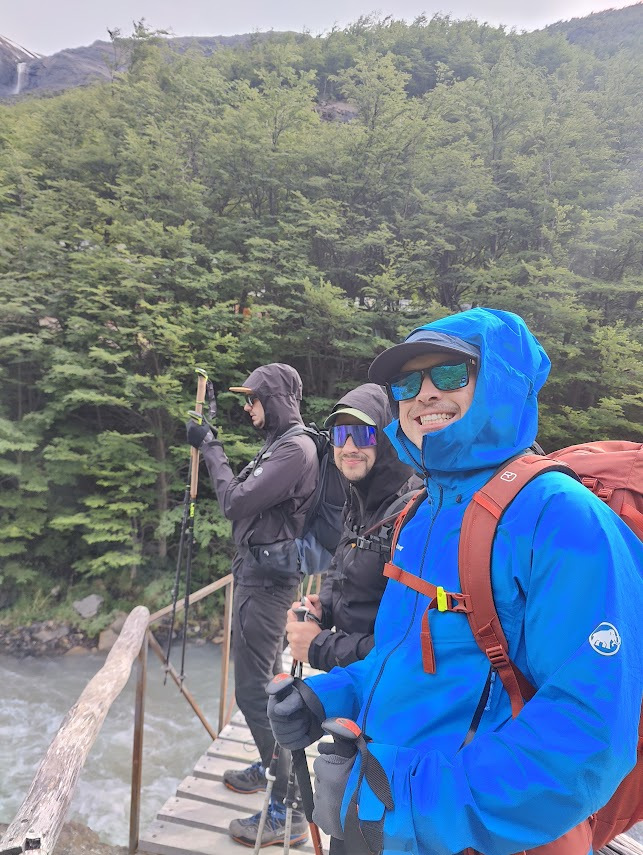
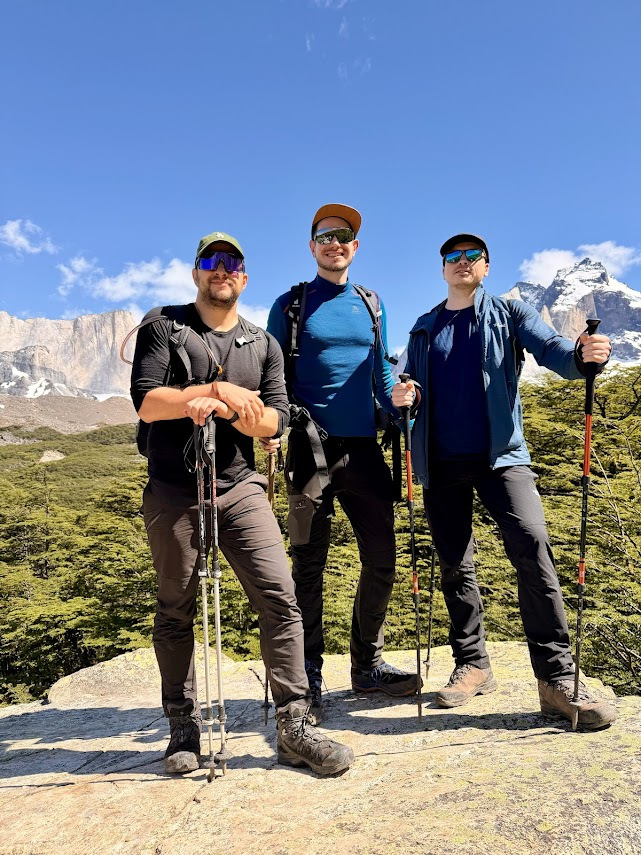
Our first hiking day took us to the base of the Torres—20 kilometers with 1,300 meters of elevation gain. Snow fell at the highest point, obscuring our view of the iconic towers, but the hike itself was beautiful. With so many people on the trail, getting lost was impossible. We left our large packs at camp and carried only day packs—highly recommended whenever possible.
Day 3: To Camp Francés
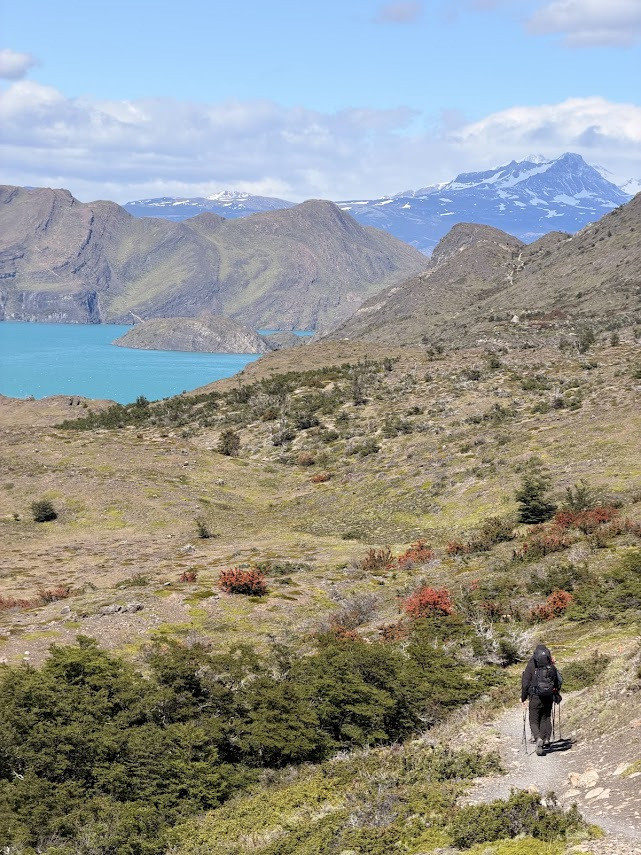
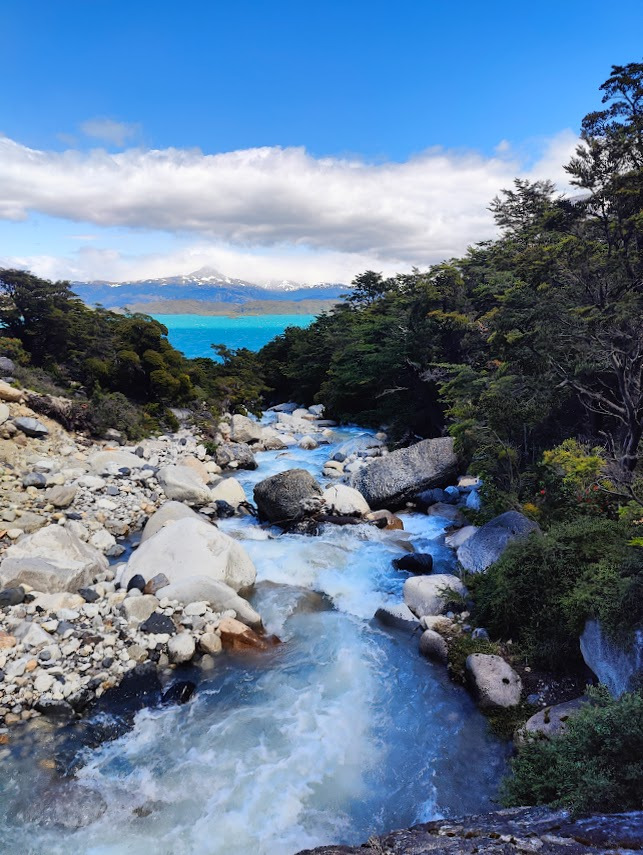
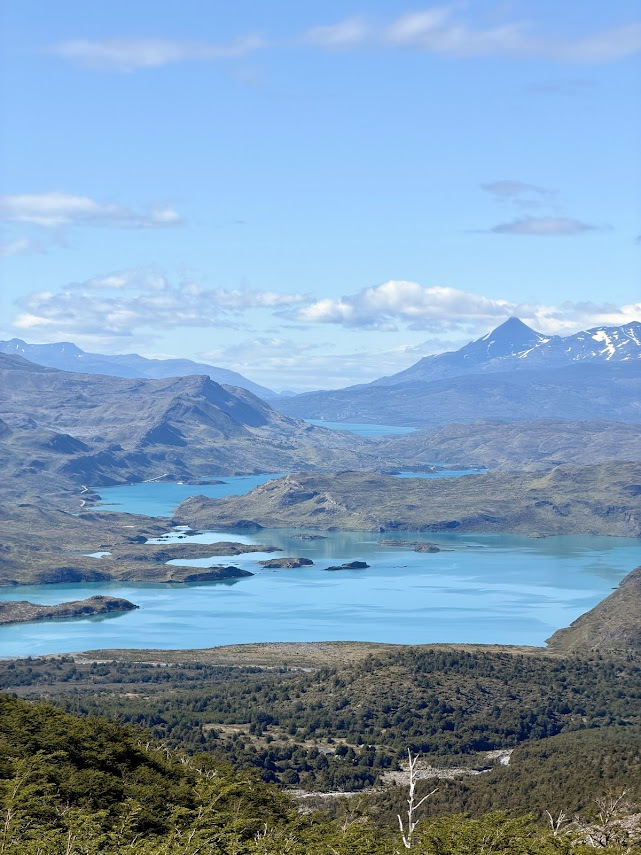
This was our easiest day—16 kilometers and 700 meters of elevation gain to Camp Francés, but this time carrying our full packs. We took it slow, savoring the views of turquoise lakes to our left, grateful for easier terrain after the previous day’s effort.
Camp Francés has less infrastructure than Central but was comfortable enough—same elevated tents, decent toilets and showers. Oddly, you have to hike down to the lake for meals, which was annoying with sore legs, but a minor inconvenience. We slept well after dinner and card games.
Day 4: Valle del Francés to Paine Grande
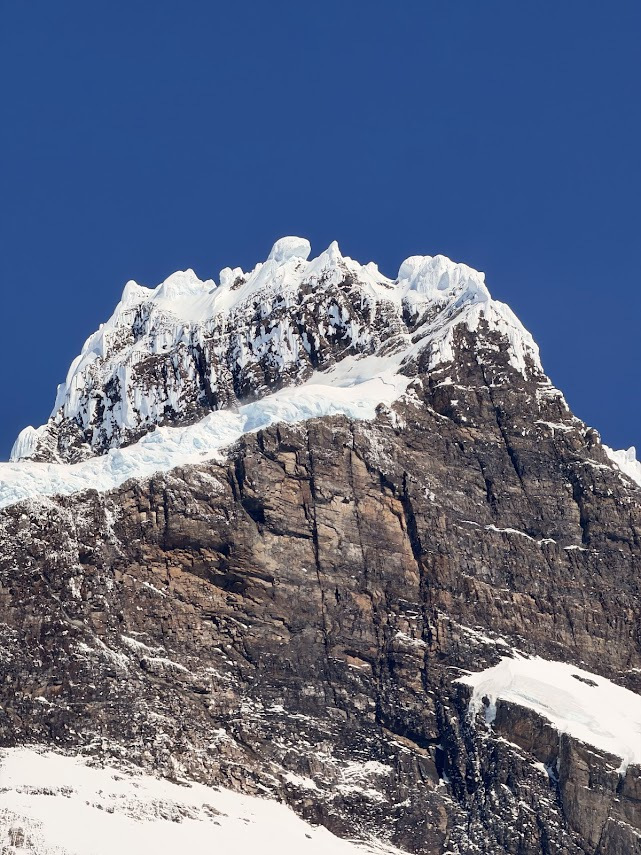
We left Francés in the morning and reached the Italian refugio, where we stashed our big packs before continuing with day packs to Mirador Francés and then Mirador Británico. Entering the valley felt magical—surrounded by white peaks, hanging glaciers, and the occasional rumble of avalanches echoing off the walls. At Mirador Británico, we enjoyed a 360-degree panorama that was absolutely stunning.
After retrieving our packs, we still had 8 kilometers to reach Paine Grande, our final camp. The day totaled 22 kilometers and over 1,000 meters of elevation gain, much of it with heavy packs. Start early and pace yourself.
Paine Grande isn’t managed by Las Torres, and the difference shows. We slept in standard tents, showers were subpar, and food quality was average—though portions were larger. A note on connectivity: there’s no cell coverage anywhere in the park. You can buy internet access at the refugios for about $10 USD per hour, which we found absurdly overpriced. Power outlets are available for charging devices. It gets brutally cold at night—the provided sleeping bags help, but bring warm layers for sleeping.
Day 5: Grey Glacier and Exit
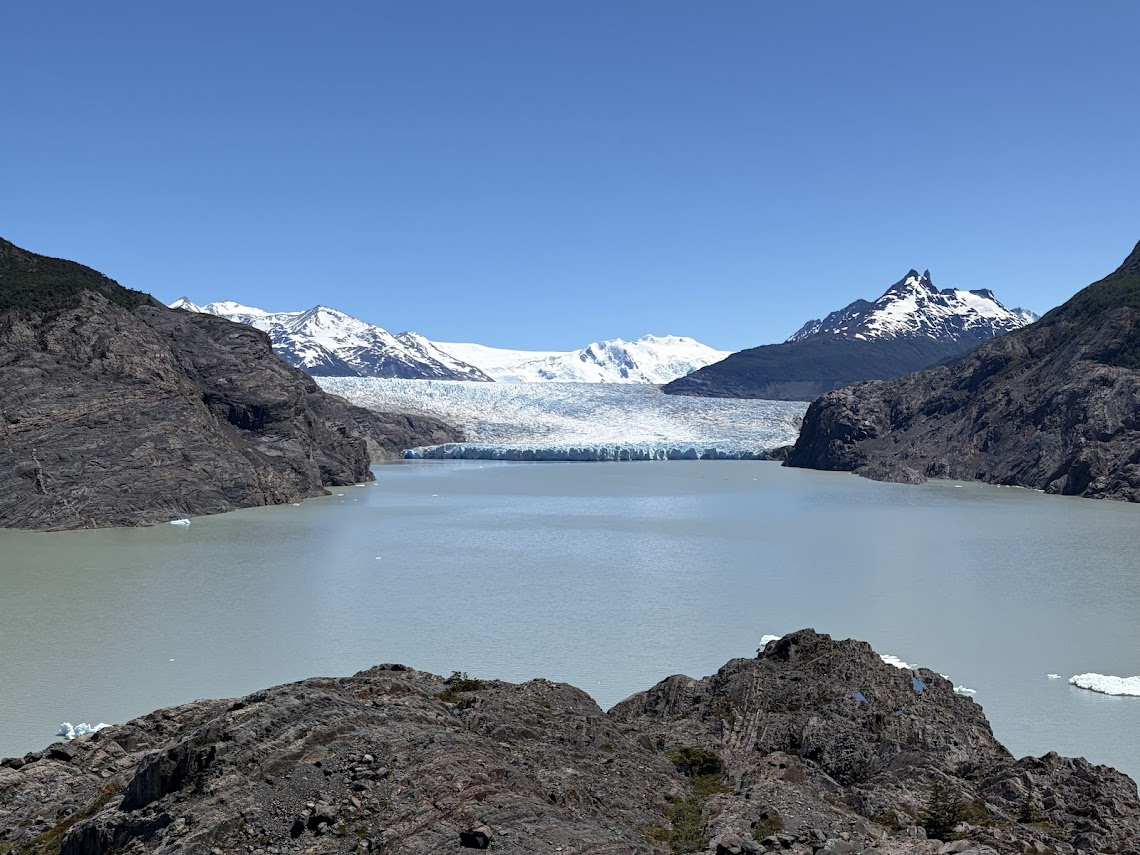
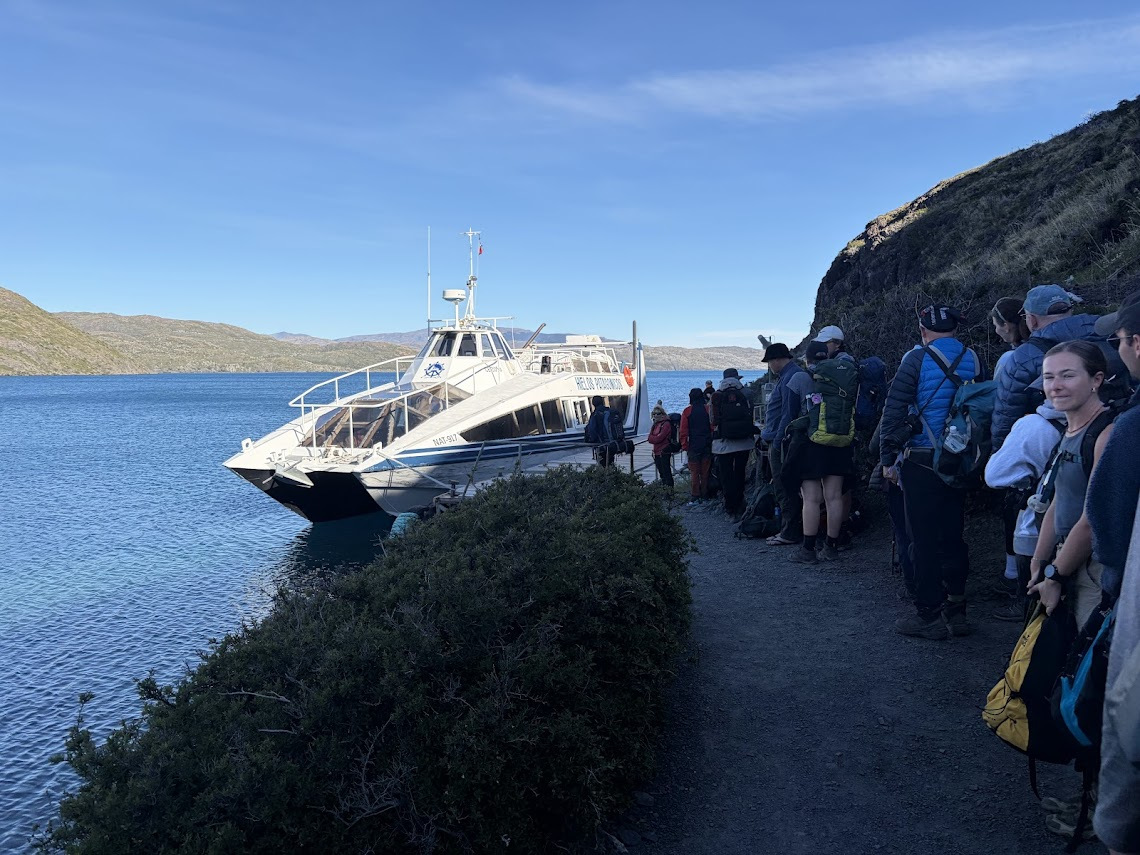
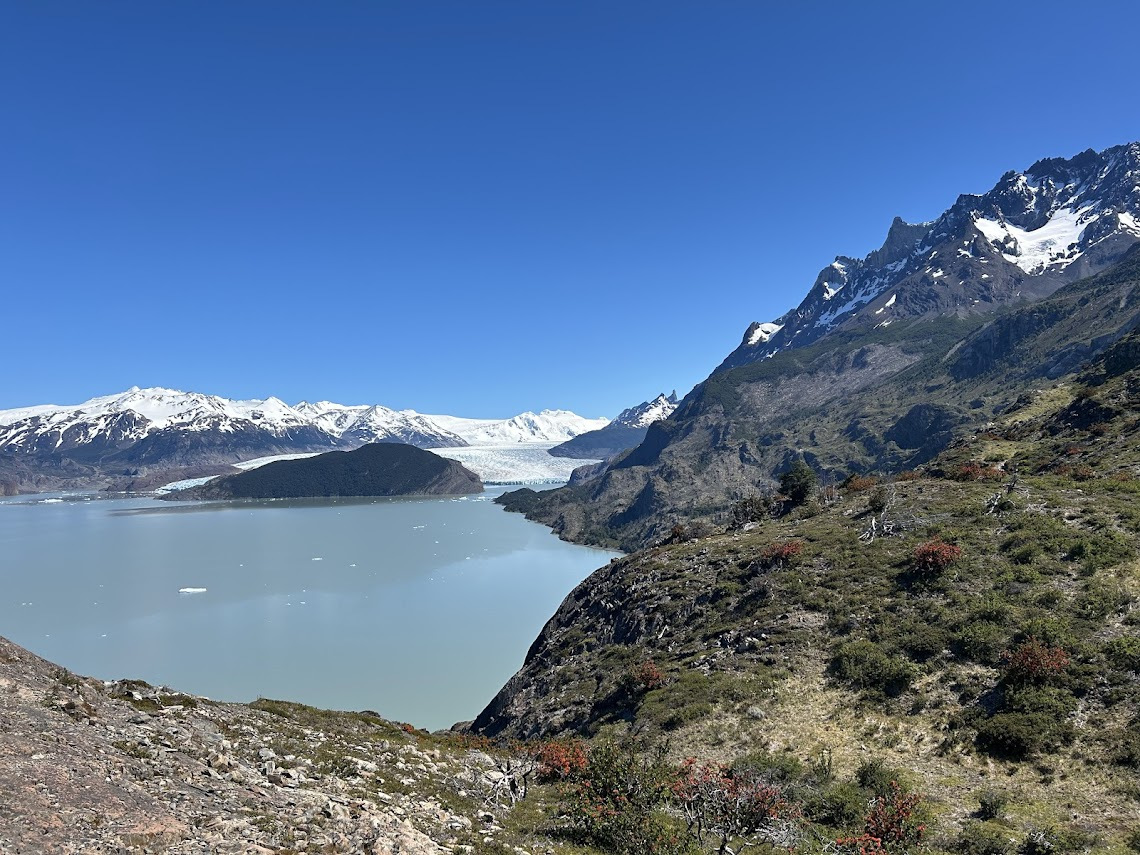
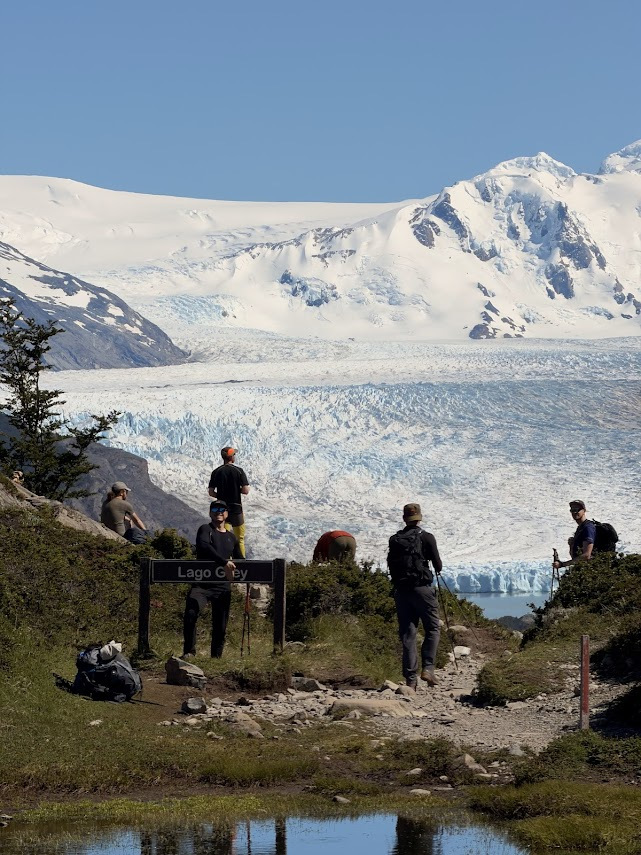
Our final hike took us to the Grey Glacier viewpoint and back—24 kilometers with 950 meters of elevation gain. We’d expected an easy day, but between the heat, accumulated fatigue, and constant time pressure (we had to catch the 5 PM catamaran), it proved challenging. The views were magnificent, but the rush diminished our enjoyment slightly. We made it back in time, boarded the ferry at Paine Grande, and took the bus back to Puerto Natales.
All transportation tickets were handled by the agency, but we had to download everything in advance due to the lack of internet access in the park.
Reflections
We were thrilled to store our hiking gear and enjoy a warm meal and comfortable bed in Puerto Natales. The next day began our journey home: Puerto Natales to Santiago, Santiago to Madrid, Madrid to Zurich. Our luggage arrived without issue.
Patagonia exceeded every expectation. The landscapes are otherworldly, the hiking is world-class, and the sense of remoteness is profound. We’ll definitely return to explore the places we missed and venture into less touristy areas.
A few final tips:
- Rent a car. Patagonia is far easier and more rewarding to explore with your own vehicle.
- Bring warm clothing. Even in November/December, nights are cold and weather can turn quickly.
- Don’t rely on cell coverage. Download maps and documents in advance.
- Budget generously. Patagonia is expensive, especially in tourist towns.
- Stay flexible. Weather can change plans instantly—build buffer days into your itinerary.
Appendix: Gear List
Clothing:
- Rainproof/wind-resistant jacket
- Rainproof pants (brought but unused)
- Nano Puff insulated jacket
- Hiking pants
- Hiking shorts
- Underwear (6 pairs)
- Hiking socks (6 pairs)
- Sunglasses
- Technical t-shirts/base layers (5)
- Long-sleeve technical shirt/base layer
- Technical bottoms/base layer
- Regular pants
- Sweatshirt
- Pajamas
Footwear:
- Hiking boots
- Sneakers
Accessories:
- Cap and beanie
- Gloves
- Microfiber towel (provided by Las Torres)
- Toothbrush & paste
- Skincare products
- Soap
- Sunscreen SPF 50
- Medications
- Trekking poles
- Water bottle/Camelbak (provided by Las Torres)
- Headlamp
- Earplugs
- Sleeping mask
- Sleeping sheet (provided by Las Torres)
Packing:
- Day/hiking backpack
- Backpack rain cover
- Suitcase/bag
- Packing cubes
Electronics:
- Charger and travel adapter
- Portable power bank
- Camera
- Kindle
- Starlink device
Entertainment:
- Playing cards


